Ensuring a robust fire safety strategy is a paramount concern for any professional entity. Businesses across various sectors continuously seek innovative solutions to protect their assets, employees, and operations from the devastating impact of unexpected fires. Among the array of modern fire suppression tools, the automatic fire ball has emerged as a compelling option, offering a unique blend of autonomy and rapid response. This spherical device, designed for passive deployment, activates automatically when exposed to flames, providing an immediate intervention that can be critical in the early stages of an incident. Understanding the specific applications and operational nuances of a boule antifeu pour professional environments is key to leveraging its potential effectively within a comprehensive safety plan.
The concept behind these automatic fire suppression devices is straightforward yet highly effective. They are engineered to detect fire and disperse an extinguishing agent without human intervention, making them particularly valuable in areas that might be unattended or where rapid manual response is challenging. As businesses evolve, so do the risks they face, necessitating a proactive approach to fire protection that integrates both traditional and cutting-edge technologies. This article explores how these innovative fire balls function and identifies the diverse professional sectors that stand to gain significant advantages from their strategic implementation.
Understanding automatic fire balls for professional use
An automatic fire ball represents a significant advancement in passive fire suppression technology. At its core, this device is a lightweight, self-activating sphere filled with a specialized extinguishing powder. Its design allows for easy placement in areas vulnerable to fire, such as above electrical panels, in server rooms, or near machinery. The primary mechanism involves a heat-sensitive fuse that ignites when exposed to a direct flame or when the ambient temperature reaches approximately 280°C. Upon activation, the ball ruptures, dispersing a non-toxic, dry chemical powder that rapidly smothers the flames by disrupting the fire’s chemical reaction and displacing oxygen.
This autonomous operation is a defining characteristic, differentiating it from traditional manual fire extinguishers that require human presence and active deployment. For businesses, this means an additional layer of protection that works around the clock, even when premises are vacant. The powder formulation is typically designed to be effective against multiple classes of fire, making these devices versatile for different types of combustible materials found in commercial settings. For instance, they are often suitable for Class A fires (involving ordinary combustibles like wood, paper, or textiles), Class B fires (flammable liquids such as gasoline or oil), and Class C fires (flammable gases like propane or methane). Some advanced formulations also address Class F fires, which involve cooking oils and fats, making them relevant for professional kitchens.
The strategic deployment of these devices is crucial. While their immediate action is powerful, their effective range is typically concentrated within a radius of 1 to 3 square meters. This characteristic informs how to best integrate a boule antifeu pour targeted protection. Businesses often place them in high-risk zones where fires are most likely to originate, acting as a first line of defense to contain small fires before they escalate. Their compact size and ease of installation mean they can be mounted or simply placed in specific locations, requiring minimal structural alteration or complex setup, which makes them an attractive option for various professional environments seeking enhanced safety measures without extensive overhaul.
Key advantages for diverse business environments
The benefits of integrating automatic fire balls into a business’s fire safety protocol are numerous, particularly when considering their operational simplicity and automatic functionality. One of the most compelling advantages is their ability to act instantly and autonomously. Unlike manual extinguishers that depend on human intervention, these balls activate automatically upon sensing a flame, providing immediate suppression without needing anyone to be present. This is invaluable for areas that are not constantly monitored, such as server rooms, storage units, or electrical cabinets, where a fire could start and spread undetected for critical minutes.
Furthermore, the ease of installation and minimal maintenance requirements make them a cost-effective addition to an overall safety strategy. They do not require complex piping, pressure gauges, or regular refills in the same way some traditional systems do. Once placed, they offer continuous passive protection for an extended period, significantly reducing ongoing operational costs associated with fire safety equipment. This makes them an attractive option for businesses looking to enhance their safety measures efficiently.
Automatic fire balls also serve as an excellent complementary tool to existing fire detection and suppression systems. They can bridge gaps in protection, offering localized suppression in areas where a sprinkler system might be overkill or where smoke detectors alone might not prevent the rapid spread of a small, intense fire. Their rapid deployment can contain an incident at its source, preventing it from triggering larger, more disruptive, and potentially more damaging suppression systems.
The versatility of placement is another significant advantage. They can be strategically positioned in areas known for higher fire risk, offering targeted protection. Consider these potential placement areas:
- Above electrical distribution boards and circuit breakers, common sources of electrical fires.
- Within or above server racks and data centers, protecting critical IT infrastructure.
- Near machinery or equipment that uses flammable liquids or generates significant heat.
- In storage areas containing combustible materials, such as archives or warehouses.
- Inside vehicle compartments or engine rooms for fleet safety.
- In utility closets or boiler rooms, where mechanical failures could ignite materials.
By offering this localized, autonomous protection, automatic fire balls contribute significantly to a proactive fire safety culture, allowing businesses to safeguard specific vulnerable points efficiently and effectively. This proactive approach helps mitigate risks, minimize potential damage, and ensure business continuity.

Sectors that benefit from this innovative fire safety solution
The autonomous nature and rapid response capability of automatic fire balls make them particularly well-suited for a wide array of professional sectors. Their ability to activate without human intervention is a game-changer for environments where immediate manual response might be delayed or impractical. Many companies, including those like Elide Fire, develop solutions tailored to these professional needs, providing reliable options for businesses looking to bolster their fire protection strategies.
Information Technology and Data Centers: These environments are highly susceptible to electrical fires due to the concentration of electronic equipment and power infrastructure. A fire in a server rack can quickly lead to catastrophic data loss and operational downtime. Automatic fire balls can be strategically placed within server cabinets or above critical equipment, offering localized protection that activates rapidly, containing the fire before it spreads and causes extensive damage to sensitive electronics. Their dry chemical agent can also be less damaging to electronics than water-based systems.
Industrial and Manufacturing Plants: Factories often contain heavy machinery, flammable materials, and complex electrical systems, all of which present potential fire hazards. Welding operations, chemical storage, and machinery malfunctions are common ignition sources. Fire balls can be installed near specific machines, in paint booths, or within storage areas for combustible liquids, providing immediate suppression at the point of origin, thereby protecting both equipment and personnel.
Warehousing and Logistics: Large warehouses store vast quantities of goods, often stacked high, making manual fire suppression challenging and time-consuming. Electrical faults, forklift battery charging stations, and heating systems are common fire risks. Placing automatic fire balls in strategic locations, particularly above high-risk zones or near charging stations, can offer a crucial first line of defense, containing small fires before they engulf larger sections of the facility.
Commercial Kitchens and Restaurants: Professional kitchens are high-risk environments for Class F fires involving cooking oils and fats, as well as Class B fires from other flammable liquids. Traditional extinguishers can be effective but require trained personnel to operate. Automatic fire balls designed for these specific fire classes can be installed above fryers, grills, and cooking ranges, providing immediate and automatic suppression of grease fires, which can spread rapidly and are notoriously difficult to extinguish.
Vehicle Fleets and Transportation: Buses, trucks, and specialized vehicles, especially those carrying flammable goods or operating heavy machinery, face fire risks from engine compartments, electrical systems, or fuel lines. Automatic fire balls can be mounted in engine bays or cargo areas, offering protection for fleet operators and ensuring the safety of valuable assets and cargo during transit.
Electrical and Utility Rooms: Any facility with a dedicated electrical room, generator room, or utility closet understands the inherent risks associated with power distribution. Overloads, short circuits, and equipment failures can easily ignite surrounding materials. Automatic fire balls provide an excellent solution for these confined spaces, offering continuous protection without requiring constant human monitoring, thus safeguarding essential infrastructure.
For these sectors and more, the integration of automatic fire balls provides a layer of proactive protection that complements existing safety protocols. They are particularly beneficial in situations where a quick, autonomous response is critical to preventing minor incidents from escalating into major disasters, thus protecting investments and ensuring operational continuity.
Considerations for integrating fire balls into your safety strategy
While automatic fire balls offer significant advantages, a thorough understanding of their characteristics is essential for effective integration into a professional fire safety strategy. Businesses must consider several factors to ensure these devices provide the most effective protection, balancing their strengths with other fire safety components. The goal is to create a comprehensive and layered defense, not to rely on a single solution for all scenarios.
One key consideration is the coverage area. As mentioned, an automatic fire ball typically covers an area of 1 to 3 square meters. This means that for larger spaces or areas with multiple distinct fire risks, several units may be required, or they should be deployed in conjunction with other systems. Strategic placement becomes paramount to ensure that every potential ignition point is adequately protected. Businesses should conduct a detailed risk assessment to identify all high-risk zones where a localized, autonomous response would be most beneficial.
Another aspect to evaluate is the nature of the extinguishing agent. The dry chemical powder released by these balls is highly effective at suppressing flames by cutting off oxygen and interfering with the fire’s chemical reaction. However, businesses should be aware that post-fire cleanup may be necessary, especially in environments with sensitive electronics or machinery. While the powder is generally non-toxic, its residue can be corrosive to certain materials over time if not properly cleaned. This factor underscores the importance of a rapid and thorough cleanup protocol following any activation, particularly in data centers or precision manufacturing facilities.
Certification and standards are also vital. While some automatic fire balls meet various international standards, businesses should always verify that the chosen products comply with local fire safety regulations and industry-specific requirements. In some regions, these devices may be classified as supplementary protection rather than a primary extinguishing system. This distinction is important for compliance and for understanding how they fit within a broader regulatory framework. Always confirm the certifications relevant to your specific operational context.
Comparing automatic fire balls with traditional fire extinguishers highlights their distinct roles. Manual extinguishers offer versatility and a greater range, allowing a trained individual to target different types of fires from a safe distance. They also provide immediate feedback and control to the user. Automatic fire balls, conversely, excel in their autonomous, hands-free operation, making them ideal for unattended areas or for initial suppression before human intervention is possible. The « best boule antifeu pour » a particular situation often depends on whether autonomous, localized protection is prioritized over manual, versatile control.
Here is a comparison illustrating their respective strengths:
| Feature | Automatic Fire Ball | Traditional Extinguisher |
|---|---|---|
| Activation | Automatic (heat/flame triggered) | Manual (requires human intervention) |
| Intervention Speed | Instantaneous upon trigger | Depends on human response time |
| Coverage Area | Localized (1-3 m² sphere) | Directed stream, variable range |
| Maintenance | Minimal; visual inspection, shelf life | Regular pressure checks, refills, inspections |
| Ideal Use Case | Unattended high-risk areas, early stage fires | Active response to developing fires, versatile |
| Post-Fire Cleanup | Powder residue, potential corrosivity | Varies by agent (water, foam, CO2, powder) |
Understanding these nuances allows businesses to make informed decisions about where and how to deploy automatic fire balls, ensuring they complement, rather than replace, other essential fire safety measures. The goal is to build a resilient safety system that addresses all potential threats comprehensively.
Maximizing protection: placement and complementary tools
Achieving maximum fire protection in any professional setting requires a holistic approach that integrates various safety measures. Automatic fire balls, while highly effective in their specific role, are most impactful when deployed as part of a broader, well-planned fire safety strategy. Strategic placement, combined with other essential tools and practices, ensures a robust defense against potential fire incidents.
The efficacy of an automatic fire ball heavily relies on its positioning. Identifying critical ignition points and placing the device directly above or in close proximity to these areas ensures the quickest possible activation and suppression. For instance, in a server room, placing a fire ball directly above each server rack or within the cabinet can target a localized electrical fault. In a workshop, positioning them near welding stations or flammable material storage significantly increases their chances of containing a nascent fire. Regular assessments of the premises can help refine these placement strategies over time.
Beyond strategic placement, the integration of automatic fire balls with complementary fire safety tools creates a multi-layered defense. Smoke detectors and heat sensors serve as early warning systems, alerting personnel to a potential fire even before a fire ball might activate. These early alerts are crucial for initiating evacuation procedures and allowing for manual intervention if necessary. Alarm systems, linked to central monitoring stations, ensure that emergency services are notified promptly, providing an additional layer of professional response.
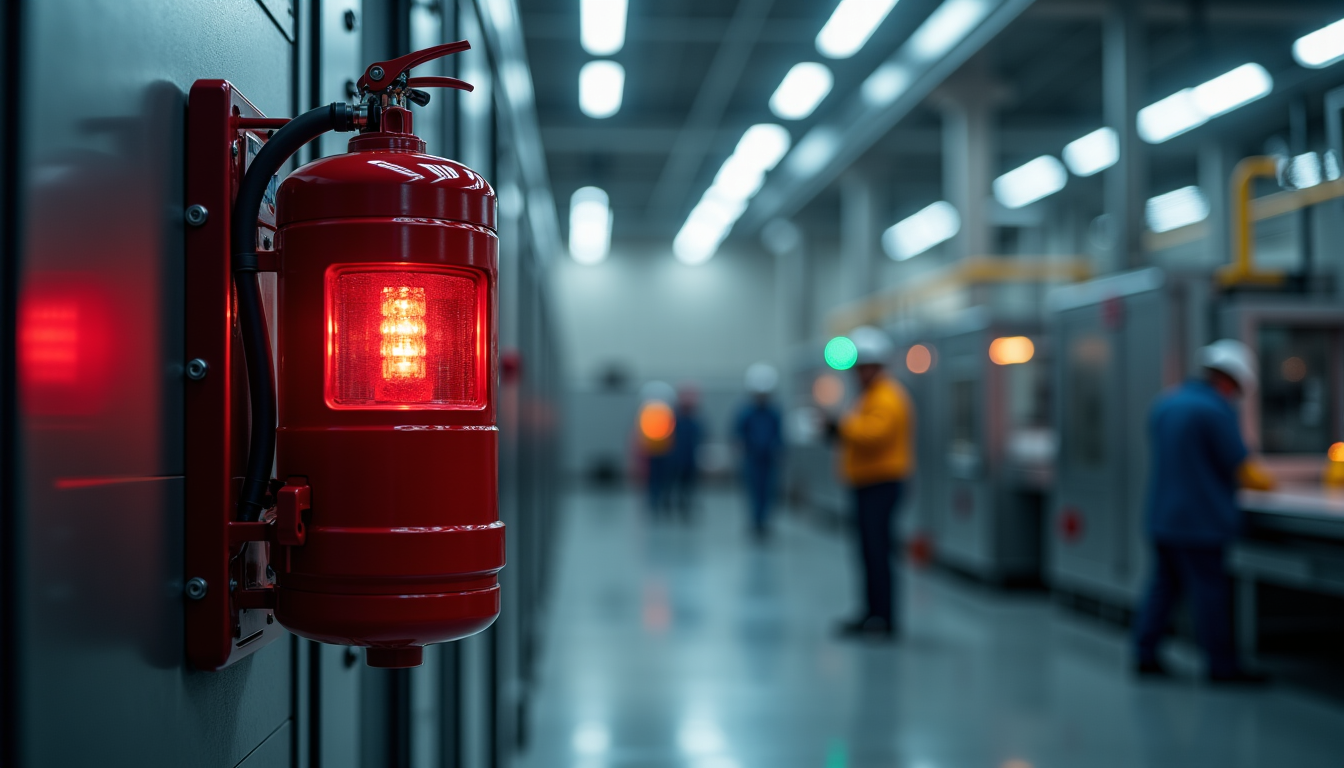
Manual fire extinguishers remain indispensable. They offer trained personnel the ability to actively fight a fire, control its spread, and address situations that might be beyond the immediate scope of an automatic fire ball. Regular staff training on how to use these extinguishers, coupled with clear evacuation routes and emergency protocols, empowers employees to respond effectively during an incident. This combination of passive, automatic suppression and active, manual intervention creates a powerful synergy.
Furthermore, maintaining a proactive fire safety culture within the organization is paramount. This includes:
- Conducting regular fire drills to ensure all employees know emergency procedures.
- Implementing routine inspections and maintenance of all fire safety equipment, including fire balls, extinguishers, alarms, and sprinkler systems.
- Ensuring clear signage for exits, assembly points, and fire safety equipment locations.
- Reviewing and updating fire risk assessments periodically to account for changes in operations, equipment, or building layout.
By thoughtfully integrating automatic fire balls into a comprehensive framework that includes detection, warning, manual suppression, and ongoing training, businesses can significantly enhance their overall fire resilience. This proactive and layered approach is the most reliable way to protect assets, ensure the safety of personnel, and maintain operational continuity.
A truly effective fire safety plan is never about a single device; it’s about creating a symphony of solutions that work together, from early detection to rapid suppression and safe evacuation. The automatic fire ball is a valuable instrument in that orchestra, providing an immediate, localized response that can prevent a small incident from becoming a catastrophe.
Choosing the right fire safety approach for your business
Selecting the optimal fire safety approach for any professional enterprise is a critical decision that hinges on a meticulous evaluation of specific risks, operational environments, and regulatory requirements. The automatic fire ball, with its autonomous activation and targeted suppression capabilities, presents a compelling component within this broader safety landscape. It is not merely about acquiring equipment, but about crafting a bespoke strategy that maximizes protection and minimizes potential disruption.
Every business has unique vulnerabilities. A data center’s fire risks differ significantly from those of a manufacturing plant or a commercial kitchen. Therefore, the choice of fire safety tools, including whether and how to integrate a boule antifeu pour specific areas, must be tailored to these distinct profiles. This involves a comprehensive risk assessment, identifying potential ignition sources, types of combustible materials, and the value of assets at risk. Understanding these elements guides the selection of the most appropriate fire suppression technologies.
The cost-effectiveness of various solutions also plays a role in decision-making. While the initial « price boule antifeu pour » may seem like a straightforward consideration, businesses should evaluate the long-term value, including installation costs, maintenance requirements, and the potential savings from preventing catastrophic damage. Often, a combination of solutions—such as automatic fire balls for high-risk, unattended spots, alongside traditional extinguishers for general use, and robust alarm systems—proves to be the most economically sound and protective strategy.
Ultimately, the goal is to build a resilient fire safety infrastructure that provides peace of mind and ensures operational continuity. Automatic fire balls excel in providing immediate, localized suppression, acting as a crucial first line of defense in specific scenarios. When thoughtfully integrated into a comprehensive system that includes early detection, clear evacuation plans, and trained personnel, they significantly enhance a business’s capacity to mitigate fire risks effectively. By carefully assessing their unique needs and embracing a multi-faceted approach, businesses can confidently choose the right fire safety solutions to protect their future.